
Houses of Worship
5 Security Priorities Every House of Worship Should Address
6 min read
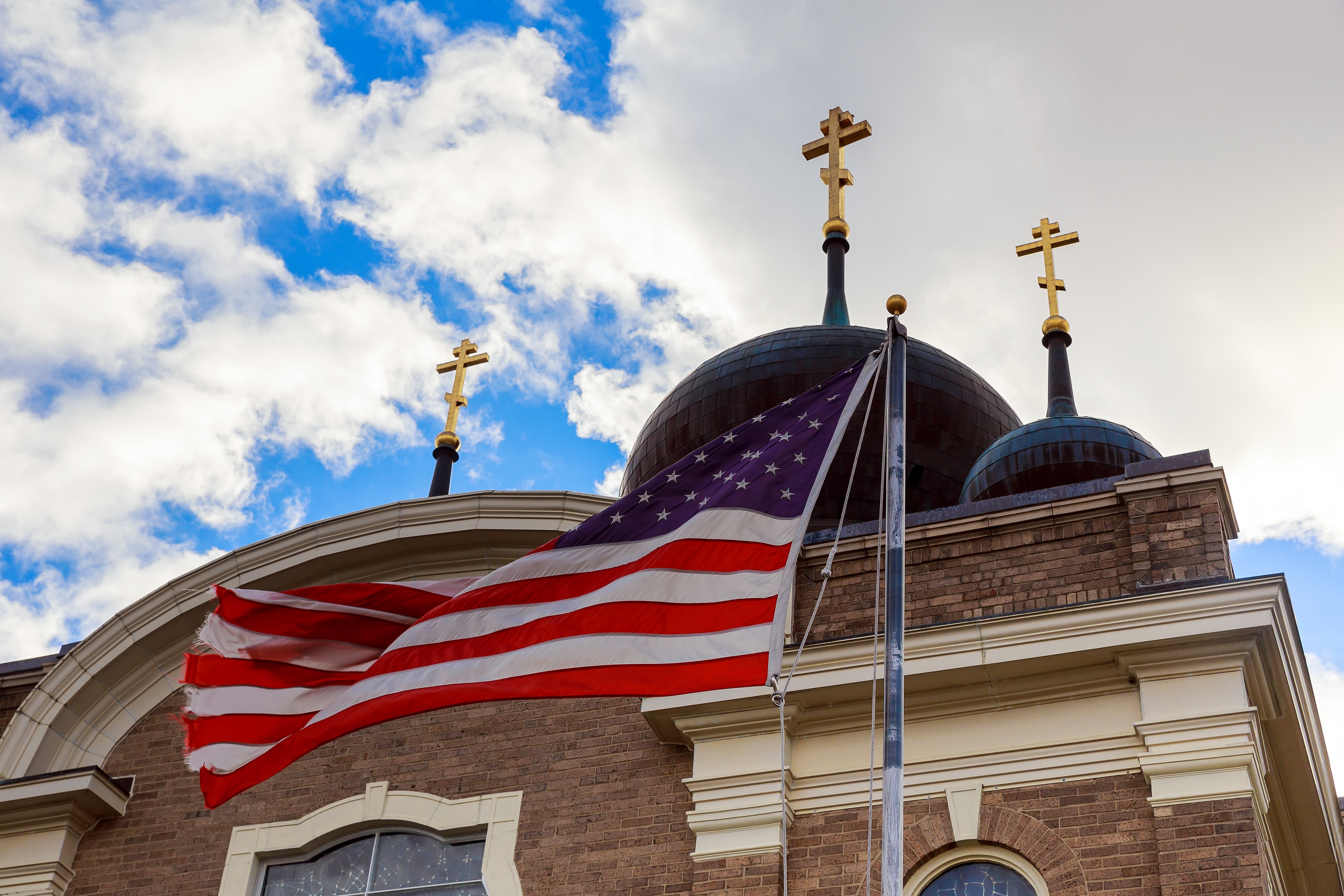
Houses of worship face unique security challenges. You want to maintain an open, welcoming environment while ensuring the safety of your congregation. Where do you start?
After conducting dozens of assessments for churches, synagogues, mosques, and temples, we've identified five priority areas that consistently provide the greatest security improvements with practical, achievable steps.
Your facility likely has multiple entry points. Do you know who's entering your building during services and events?
Quick wins:
This isn't about creating barriers—it's about creating awareness. Your greeters serve dual purposes: hospitality and situational awareness.
Your children's areas require special attention. Parents entrust their most precious to your care.
Essential steps:
Does your staff know what to do if a medical emergency occurs during services? What about a fire? An active threat?
Start here:
Walk your building with fresh eyes—or better yet, have someone else walk it.
Look for:
Many security vulnerabilities can be fixed with basic maintenance, better lighting, or simple procedural changes.
You don't need armed guards. You need aware people who know what to do.
Build a basic safety team:
Start with children's ministry and emergency response planning. These provide immediate value and typically require minimal budget—just clear procedures and training.
Then move to access control and building security. Finally, formalize a safety team to maintain and improve your security program over time.
Remember: security isn't about creating a fortress. It's about creating awareness, having a plan, and being prepared. Your congregation should feel safer, not scared.
We specialize in helping houses of worship develop practical security programs that align with your mission and culture. Contact us for a free consultation to discuss your specific needs.
Contact us to discuss how we can help strengthen your organization's security program.